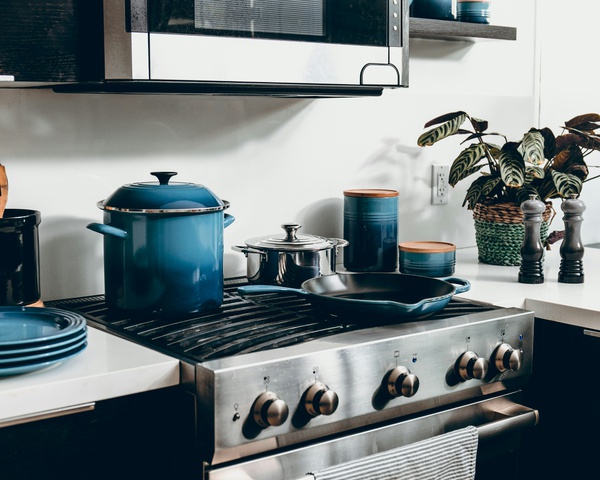
For many homeowners, choosing between a gas and electric stove ultimately comes down to what they already have. Fewer than half of US homes have a gas line in the kitchen, with the majority having only an electric hookup. While gas stoves are a popular choice, even homes with a gas connection may prefer the convenience and safety benefits of electric stoves. If you're in a position to choose, gas and electric stoves have their own pros and cons; here's how to decide which is the better fit for your kitchen!
First, a disclaimer. Industry researchers have repeatedly documented how widely individual models perform, whether gas or electric. That makes it difficult to make broad recommendations about stovetops based solely on fuel type. Make sure you chat with a Max’s expert to learn more about the features of specific options. We'll start by comparing the benefits of gas and electric stoves.
Electric stoves are typically easier to clean, safer, and offer more consistent cooking temperatures than gas stoves.
Taste is always open to interpretation, but electric stoves tend to fit today's modern kitchen aesthetic of smooth, clean lines. We think electric stoves tend to be more versatile from an interior design perspective.
Gas stoves are popular for reasons such as instant heat adjustment and resilience during power outages.
Related: Energy Savings from High-Efficiency Appliances
If your home has a gas hookup, both stove types are on the table. Here’s how gas and electric stoves stack up across four key tests.
A watched pot never boils, and that’s never more true than when busy northern Michigan families are trying to get dinner going. Both gas and electric stovetop manufacturers have pushed to install larger burners to boil water faster.
Which is faster? Electric stoves are much faster than gas stoves. While the exact time varies by model, electric stoves can usually boil 6 quarts of water in 15 minutes, compared to 25 minutes for gas ranges.
Discerning home chefs know that delicate sauces require a consistent, reliable simmer. A controllable heat source is important for preparing many dishes, with simmering levels vital to prevent burning or scorching.
The Simmer Winner: It’s electric, and it makes sense. Because electric stovetops provide more control over energy input and make direct contact with pans, there are fewer variables and more immediate feedback on temperature.
Gas oven vs electric debates tend to overlook how evenly heat is distributed. Oven heat performance varies by model, fuel source, and age; older, grimy ovens tend to deliver more inconsistent heat than newer models that haven’t had years of hard work behind them.
The Baking Winner: Gas ranges are slightly more consistent than electric stoves, although it’s by a slim margin. More gas ranges earn Excellent ratings for baking, mostly due to fewer cold spots and consistent heat. That may be a benefit of the slightly slower heat-up time delivered by gas ranges.
Surprisingly, this one isn’t even close. Gas stoves consistently underperform in broiling tests, with well over half of electric stoves earning top marks from Consumer Reports. Only about 15 gas ranges earned Very Good ratings. Gas stoves deliver less consistent contact with the cooking surface, which appears to have a consequential impact on broiling.
The top choice is electric by a mile.
Research shows gas stoves emit nitrogen dioxide and harmful volatile organic compounds (VOCs), reducing indoor air quality. During a 2019 observational study, researchers found that kids living in homes with gas stoves are 42% more likely to have asthma. Other data show increased levels of nitrogen oxides, carbon monoxide, and formaldehyde, a known carcinogen.
Always use an exhaust fan when cooking on the stovetop, and keep your kitchen well-ventilated.
A 2021 survey showed prospective homebuyers prefer gas stoves, with 51% saying they’d rather cook with gas. Only about 39% said they preferred electric, with the remaining respondents having no preference. In light of new research on indoor air quality and climate change, homebuyers may have a different attitude on the electric vs. gas stove debate in the years ahead. A slew of headlines about indoor air quality put gas stove safety on the front burner in 2023, though it had very little impact on related metrics such as home prices or remodels. In fact, gas stoves likely cost more than electric stoves over their expected lifespans, and the extra cost of installing a gas line often makes upgrading cost-prohibitive for most kitchen remodels.
Max’s Service has helped generations of northern Michigan families find the right home appliances, especially in the kitchen. See what decades of experience and a focus on quality and service do for your appliance buying experience. Call us today at (231) 947-6830 or send us a note!
Share on Twitter Share on Facebook
2026
2025
2024
2023
2022
2021
2020
2017

Comments
There are currently no comments
New Comment